RESEARCH
UK's First SAF Testing Hub Clears Its Debut Test
UK's first integrated SAF testing centre completes its debut commercial assessment, validating Green Lizard Technologies' Fischer-Tropsch kerosene.
19 Jun 2026
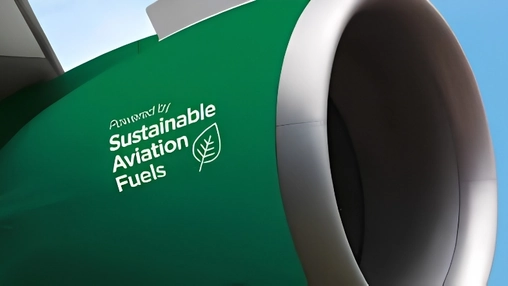
Britain's first integrated sustainable aviation fuel testing and regulatory compliance centre has delivered its opening commercial result, clearing a significant milestone for low-carbon aviation. The University of Sheffield's Energy Innovation Centre completed a full assessment of a Fischer-Tropsch synthetic paraffinic kerosene produced by Teesside-based Green Lizard Technologies, confirming the fuel meets international aviation standards and establishing a precedent for domestic certification.
Fischer-Tropsch kerosene ranks among the most technically demanding pathways to validate. Before airlines can adopt it at scale, producers must demonstrate thermal stability, freeze-point behaviour, energy density, and emissions compliance, a process that historically has required overseas laboratories. Backed by a £1.5 million UK government grant through the NextGen SAF project, Sheffield's centre has built that capability at home, working alongside partners including Drax Power and Fuel Cell Energy since the facility's launch.
"The state-of-the-art testing laboratory we have at Sheffield is supporting efforts to power more flights with low-carbon jet fuel," said Dr. Ehsan Alborzi, Senior Research Fellow in Aviation Fuels at the university. Green Lizard Technologies now stands closer to full commercial clearance, analysts said, with verified test data in hand rather than pending review.
For airlines and fuel buyers navigating tightening decarbonisation targets, a domestic validation pathway reduces both cost and delay. Compared with routing assessments through overseas certification bodies, proximity matters, particularly as carriers face mounting pressure to demonstrate measurable progress on emissions. Producers across UK aviation supply chains stand to gain as approvals accelerate and domestic SAF output scales.
With Sheffield's centre now producing verified data, additional producers are expected to seek assessment in the coming months. A broader range of approved fuels could reach carriers sooner, analysts suggested, strengthening Britain's position in the global effort to decarbonise commercial flight. The results could shape procurement policy and domestic production targets in the years ahead.
Related News


topics on the agenda
FROM FEEDSTOCK TO FLIGHT: SUPPLY SECURITY, BRENT HEDGING, AND 75% eSAF
DAY 1: undefined
12:00 - 12:25
FOAK SAF PROJECT DE-RISKING: LESSONS FROM TRL, SCALE-UP, AND PARTNER FAILURES
DAY 1: undefined
14:00 - 14:25
FROM FOREST FLOOR TO FLIGHT: BUILDING A BANKABLE WOODY BIOMASS FEEDSTOCK STRATEGY
DAY 1: undefined
14:30 - 14:55
SUBSCRIBE FOR UPDATES
By submitting, you agree to receive email communications from the event organizers, including upcoming promotions and discounted tickets, news, and access to related events.