REGULATORY
How Singapore Plans to Green Aviation by 2030
Singapore's 2026 SAF mandate requires 1% blending on departing flights, rising to 3–5% by 2030, funded by a passenger ticket levy
18 Jun 2026
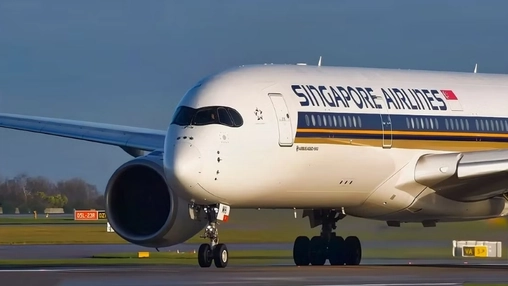
Singapore has introduced a mandatory blending requirement for sustainable aviation fuel, compelling all departing flights to carry at least 1% SAF from 2026. The rule, documented by the World Energy Council, marks one of the most defined clean-aviation policy commitments in the Asia-Pacific region. Blending targets are set to rise to between 3% and 5% by 2030.
Funding comes not from fuel producers but from a levy on passenger tickets, spreading the cost of decarbonisation across travellers rather than concentrating it at the supply chain level. According to the RMI SAF Outlook, this design supports a centralised procurement system capable of aggregating demand and reducing unit costs over time.
That pooling mechanism carries practical weight. SAF currently trades at a considerable premium over conventional jet fuel. Fragmented purchasing by individual airlines would widen that cost gap. By consolidating demand nationally, Singapore can negotiate at scale, secure long-term supply contracts, and reduce price exposure for carriers at Changi.
Early implementation gives Singapore a structural advantage in shaping regional standards. Neighbouring aviation markets are monitoring the rollout, and a successful programme could encourage parallel mandates across Southeast Asia. The ticket levy model offers a template for governments seeking to reduce aviation emissions without disrupting fuel supply economics.
Reaching the 2030 blending threshold will require a substantial build-out of SAF production and distribution capacity. The phased timeline, combined with transparent financing and centralised procurement, gives airlines, fuel suppliers, and infrastructure investors the forward visibility needed to commit capital. Whether regional production capacity can keep pace with the mandate's trajectory remains an open question.
Related News


topics on the agenda
FROM FEEDSTOCK TO FLIGHT: SUPPLY SECURITY, BRENT HEDGING, AND 75% eSAF
DAY 1: undefined
12:00 - 12:25
FOAK SAF PROJECT DE-RISKING: LESSONS FROM TRL, SCALE-UP, AND PARTNER FAILURES
DAY 1: undefined
14:00 - 14:25
FROM FOREST FLOOR TO FLIGHT: BUILDING A BANKABLE WOODY BIOMASS FEEDSTOCK STRATEGY
DAY 1: undefined
14:30 - 14:55
SUBSCRIBE FOR UPDATES
By submitting, you agree to receive email communications from the event organizers, including upcoming promotions and discounted tickets, news, and access to related events.